
Lumbini
About Lumbini
Located in the Rupandehi District of southwestern Nepal, Lumbini is spread over a sprawling sacred master plan designed by renowned Japanese architect Kenzō Tange. The area serves as both an active archaeological reserve and a peaceful, contemplative park dedicated to global peace and Buddhist heritage.
What Makes Lumbini Significant
Maya Devi Temple & Sacred Garden: The heart of the pilgrimage site, this temple houses excavated ruins dating from the 3rd century BCE to modern times, including the exact "Marker Stone" marking the Buddha's birthplace and the sacred Pushkarini Pond, where Queen Maya Devi is believed to have bathed before delivery.
The Ashoka Pillar: Erected in 249 BCE by Emperor Ashoka of the Mauryan Empire, this sandstone pillar bears an inscription in ancient Brahmi script, offering historical and epigraphic evidence that confirmed Lumbini as the Buddha's birthplace.
International Monastic Zone: Separated into Eastern (Theravada) and Western (Mahayana/Vajrayana) zones by a central canal, this area features dozens of monasteries and temples built by Buddhist communities from countries including Thailand, Germany, China, Japan, Myanmar, and Sri Lanka.
World Peace Pagoda & Flame: Situated at the northern end of the complex, the shimmering white stupa built by Japanese Buddhists and the Eternal Peace Flame symbolize worldwide harmony and non-violence.
Top Things To Do & Experiences
Signature highlights and memorable adventures in Lumbini.
Sightseeing
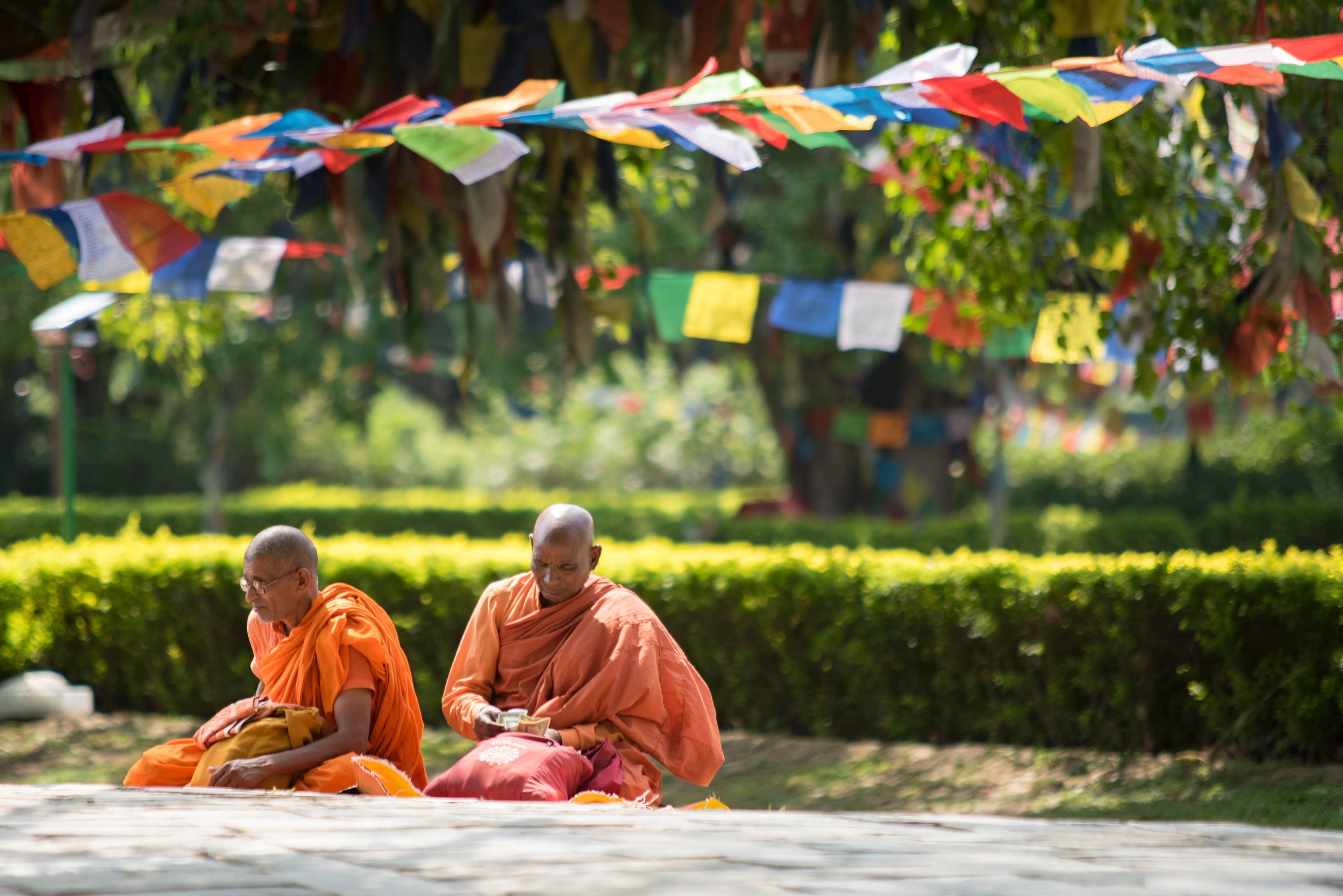
A visit to Lumbini is best experienced at an unhurried pace, whether you explore on foot or hire a local rickshaw to navigate the sprawling complex. Begin your journey at the Maya Devi Temple, the spiritual heart of the sacred garden. Here, you can view the ancient marker stone identifying the exact birthplace of the Buddha, sit beneath the fluttering prayer flags of the venerable Bodhi tree, and reflect beside the peaceful waters of the sacred Pushkarini Pond. Just outside the temple grounds stands the Eternal Peace Flame, which has burned continuously since 1986 to symbolize universal harmony. From this central axis, a quiet walk or a gentle rickshaw ride leads you along the canal into the International Monastic Zone. Divided into Eastern and Western sectors, this area is home to an extraordinary collection of monasteries, pagodas, and stupas built by Buddhist communities from around the world—showcasing diverse architectural styles from Thailand, China, Germany, Myanmar, and Sri Lanka, culminating at the gleaming white World Peace Pagoda.
Location & Coordinates
Precise geographic location of Lumbini on the interactive map.
Loading interactive map...
Ready to explore more sanctuaries?
Browse our complete catalog of mountain valleys, passes, and sacred destinations.